
Understanding Your Hearing Test Chart and Results
A hearing test gives you something most people don’t have: actual
By: admin | December 21, 2025
When you’re choosing hearing aids, it’s easy to focus on sound quality and features while overlooking how the physical design affects your daily experience. The reality is that even the most advanced hearing aid won’t help much if it’s uncomfortable to wear for hours at a time.
How a device sits in or behind your ear, how it interacts with glasses or hats and how it feels during phone calls or exercise can all influence whether you actually want to keep wearing it throughout the day. Comfort isn’t just about avoiding irritation. It’s about making sure your hearing aids feel like a natural part of your routine rather than something you’re constantly aware of or adjusting.
Paying attention to design and fit from the start can save you from issues that develop gradually over time. What seems like a minor pressure point during a fitting appointment can turn into soreness after a full day of wear, and a device that feels slightly loose might fall out during active moments.
Finding a design that works well with your ear shape, lifestyle and daily habits means you’re more likely to wear your devices consistently and get the full benefit of better hearing without the distraction of discomfort.
A proper fit plays a major role in how comfortable hearing aids feel throughout the day. When devices sit correctly in your ears, they are less likely to cause pressure, soreness or irritation during normal activities.
A good fit also helps keep hearing aids secure, so you do not have to worry about them shifting when you move, talk or wear glasses. Comfort matters because hearing aids that feel natural are easier to wear consistently.
Fit also affects how well hearing aids perform during daily use. Devices that seal properly in the ear can deliver sound more clearly and reduce unwanted noise or feedback. If the fit is off, sound quality may decline, even if the technology itself is working well.
Making sure your hearing aids fit correctly supports both comfort and clear listening, which helps you rely on them from morning through evening without distraction.
Hearing aids come in several styles, each designed to fit different hearing needs, comfort preferences and lifestyles. The main differences between styles include where the device sits on or in the ear, how visible it is and how much power it can provide.
Understanding the basic types can help you feel more prepared when discussing options and deciding what may work best for your daily routine.
Common hearing aid styles include:
Hearing aids are made from a combination of durable and lightweight materials designed to handle daily wear. The outer shell is often created from medical-grade plastic or acrylic, which helps protect the internal parts while remaining comfortable in the ear.
These materials are chosen because they are strong, resistant to moisture and safe for long-term skin contact. Some devices also include soft silicone components in areas that rest inside the ear, helping improve comfort and reduce pressure during all-day use.
Inside the shell, hearing aids contain small electronic parts made from metal and specialized wiring that allow the device to process sound accurately. Microphones, receivers and tiny circuit boards work together to pick up sound, adjust it and deliver it clearly to your ear.
Protective coatings are often added to help guard these components against dust, sweat and humidity. Together, these materials allow hearing aids to stay reliable, comfortable and effective in a wide range of everyday environments.
The size and shape of a hearing aid play a big role in how comfortable and practical it feels during everyday wear. Smaller devices may feel lighter and less noticeable, which some people prefer for all-day use.
Larger styles can offer easier handling, longer battery life or more room for features, which can be helpful depending on your needs. Finding the right balance between size and function helps ensure your hearing aid fits into your routine.
Shape also affects how securely a hearing aid sits in or behind your ear throughout the day. A well-matched shape can reduce pressure points, limit movement during activity and help keep sound consistent.
Ear shape, hair, glasses and daily habits all influence which design works best. Choosing a size and shape that fits your lifestyle makes it easier to wear your hearing aids comfortably and consistently.
Weight plays a noticeable part in how hearing aids feel during extended wear, especially when they are worn for many hours each day. Lighter devices tend to place less pressure on the ear, which can help reduce fatigue or soreness over time.
When a hearing aid feels balanced and secure, it is easier to forget it is there, making daily use more natural. This can encourage more consistent wear, which supports better hearing throughout the day.
Heavier hearing aids are not always uncomfortable, but they may require a more precise fit to stay in place comfortably. The size of the device, how it rests in or behind the ear and how evenly the weight is distributed all effect long-term comfort.
Follow-up visits with an audiologist allow adjustments that improve how the device sits and feels. Finding the right balance between weight, fit and function helps ensure your hearing aids remain comfortable and reliable during everyday activities.
Custom molds are designed to match the natural shape of your ear, which helps hearing aids sit more securely and comfortably throughout the day. Because they are made from an impression of your ear, they reduce pressure points and limit movement that can cause irritation.
A better fit also helps keep sound directed where it needs to go, which can improve clarity without increasing volume. When hearing aids feel stable, they are easier to wear for longer periods without distraction.
Comfort also improves because custom molds help manage common issues like whistling or soreness. Gaps between the hearing aid and ear can allow sound to escape, leading to feedback and discomfort.
A mold that fits well helps prevent these problems and creates a more consistent listening experience. Over time, this added comfort makes it easier to wear hearing aids regularly and rely on them as part of your daily routine.
Adjustable parts, like bendable ear hooks or changeable ear tips, allow you to fine-tune how your hearing aids fit and feel throughout the day. These options also make it easier to adapt to different listening environments, since you can adjust the fit or settings for more comfort and better sound.
Many modern hearing aids include features that help with ventilation and moisture control. Tiny vents built into the device allow air to flow through, which helps reduce the warm, stuffy feeling that can sometimes occur with a snug fit.
Moisture-resistant coatings and seals protect the device from sweat or humidity, making it less likely for moisture to build up inside your ear or in the hearing aid itself. These features help keep your ears feeling comfortable, even after hours of use.
Modern hearing aid designs focus on spreading contact more evenly across the ear to reduce pressure in sensitive areas. Improved shaping techniques and softer materials help prevent sore spots that can develop during long hours of wear.
When pressure points are minimized, hearing aids feel more natural and are less noticeable throughout the day. These design improvements support better comfort and make it easier to wear hearing aids consistently.
Feedback, like whistling or squealing sounds, can make hearing aids uncomfortable to wear. Proper fitting and the right settings are important for reducing feedback, which often happens when sound leaks out of the ear and is picked up by the hearing aid microphone.
Many modern devices include features that help control unwanted noise and improve overall sound clarity. Good sound quality means speech and everyday sounds are clear without being too loud or harsh, helping you focus on conversations and activities without distraction.
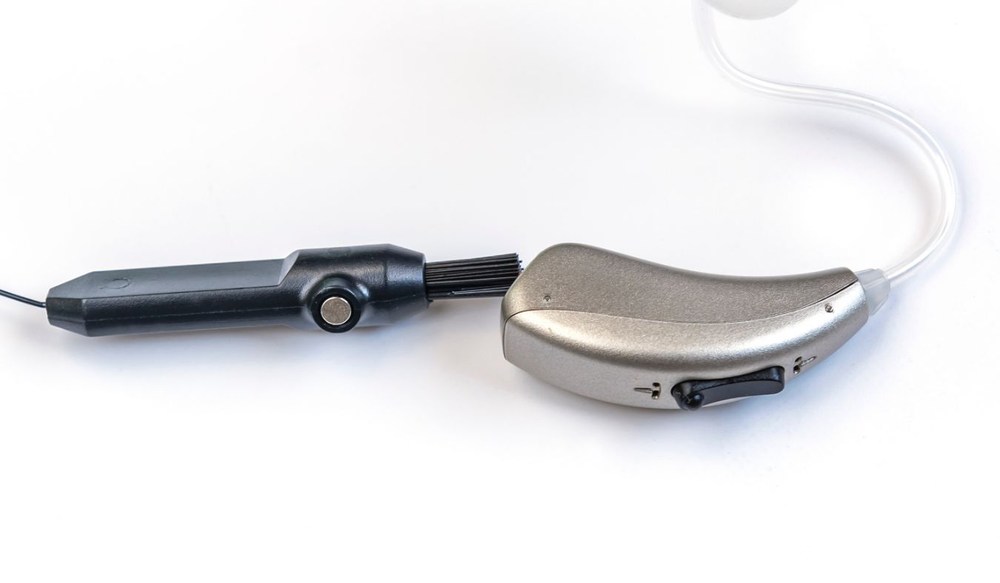
Keeping your hearing aids clean is important for preventing skin irritation.
Dirt, sweat and oils can build up on the device and cause redness or itching where the hearing aid touches your skin. Use a soft, dry cloth or special cleaning wipes made for hearing aids to gently wipe down your device each day.
Make sure to clean any ear tips or molds as well, since these parts come in direct contact with your ear. Let all parts dry completely before putting them back together and avoid using water or harsh cleaners that could damage the device.
Bringing up comfort concerns early allows your audiologist to address small issues before they become ongoing problems. These conversations can help you understand what to expect as you adjust to your devices and make sure the fit supports all-day wear.
Asking about comfort also shows that your experience matters just as much as how well your hearing aids perform.
Here are a few helpful questions you may want to ask during your visit:
Your audiologist will answer any questions you have and make sure your hearing aids are comfortable for long wear.
Selecting a hearing aid that feels comfortable is just as important as finding one that helps you hear better. The right design, fit and materials make it easier to wear your device all day and enjoy better hearing. If you notice discomfort or have questions about which features could improve your experience, reaching out for professional advice can be helpful.
Our team at Trailview Audiology is available to answer your questions about hearing aid design and guide you toward options that support long-term comfort. If you would like more information or wish to schedule an appointment, contact our office in Kings Park, NY at (631) 516-2095.
Tags: hearing aid styles

A hearing test gives you something most people don’t have: actual
By: admin | February 20, 2026
When you’re choosing hearing aids, it’s easy to focus on sound
By: admin | December 21, 2025

As you get older, your hearing plays an increasingly important role in
By: admin | August 21, 2025